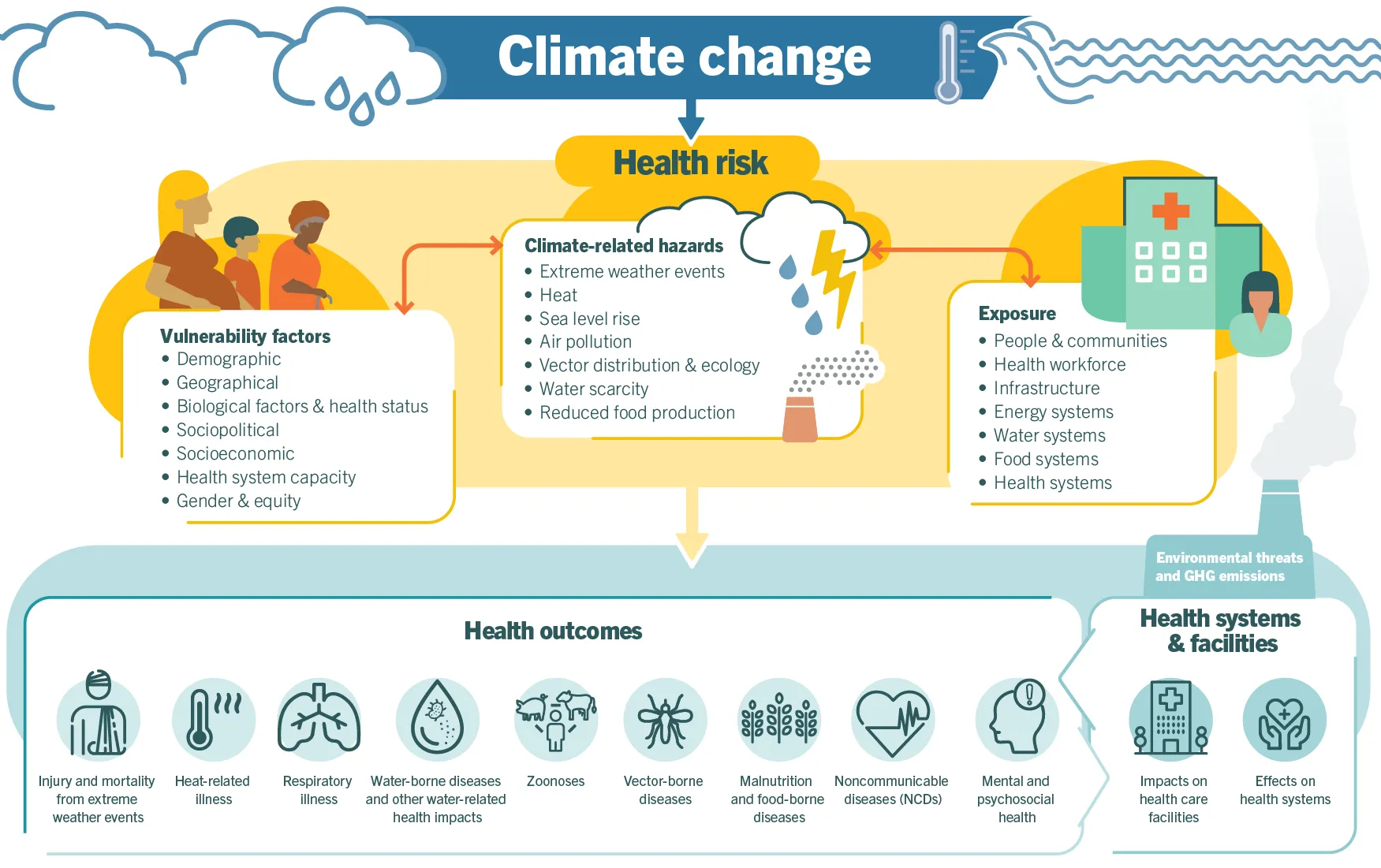
Climate change and more frequent extreme weather events affect people’s health and put pressure on health services. Healthcare’s environmental footprint adds to the climate change driving illness and demand for care.
NSW Health is committed to reducing this impact through the NSW Health Future Health Strategic Framework. The NSW Health Net Zero Roadmap outlines the transition to a high-quality, low-carbon and climate resilient health system.
Through everyday quality improvement work, all NSW Health staff can support the transition. Reducing healthcare's environmental impact slows climate change, eases pressure on health services and preserves resources for future generations.
How quality improvement reduces environmental impact
Many practices that reduce healthcare's environmental impact also improve quality of care and prevent harm. These are known as environmental mitigation strategies — actions that reduce resource use, emissions or waste while maintaining or improving care.
Examples include:
- using shared decision-making around end of life, to ensure quality care is provided while avoiding unnecessary interventions
- safely disposing unused, unwanted or expired medication
- educating clinicians on guidelines such as deep vein thrombosis prevention to reduce unnecessary calf compressor use
- using low carbon models of care, such as virtual care, to reduce travel emissions and waste from hospital admissions
- reducing hospital food waste to landfill through food waste technology
- reducing nitrous oxide waste in healthcare facilities.
Environmental sustainability should always be assessed and balanced with delivering safe, high-quality care and meeting policy requirements.
Elements of sustainable safety
Sustainable healthcare safety is made up of four elements:
Patient and population outcomes
Clinical outcomes including mental health, patient and carer experience, safety, quality of life, social outcomes, and staff experience and wellbeing.
Environmental
Every resource used in healthcare contributes to environmental impact including equipment, energy, water, food, waste disposal, and transport of patients and staff.
Social
Services can have social costs for patients, such as affecting their ability to work, study, or take part in community life.
Financial
Every service has a financial cost, contributing to overall sustainability.
Considering all four elements together distinguishes sustainable quality improvement from improvements that shift negative impacts from one element to another.